Books like Where do we go from here
Where do we go from here by Martin Luther King Jr. reads as urgent, prophetic. These 12 books share its genome — matched by how they actually read, not just their shelf label.
What Where do we go from here is like to read
A grave, closely-argued reckoning with the civil rights movement's future, written in King's own analytical and urgent voice as he weighs strategy, economics, and moral vision for America. Best for: readers wanting King's direct, reasoned case for economic justice beyond the 'I Have a Dream' speech.

The fire next time
James Baldwin · 1962
A shattering, intimate moral testimony: Baldwin writes as prophet and brother, moving from personal letter to structural indictment, demanding America confront its racial sin through lyrical, spiritually-grounded prose.
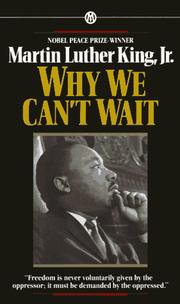
Why We Can't Wait
Martin Luther King Jr. · 1963
A first-person account and moral argument for civil rights, blending memoir of the 1963 Birmingham campaign with rigorous historical analysis and urgent ethical appeal.

Nigger
Dick Gregory · 1965
A candid, reflective memoir that moves from a hard childhood into the civil rights struggle, balancing pain with humor and hard-won hope.

Southern horrors and other writings
Ida B. Wells-Barnett · 1996
Reads urgent in the same way — and goes just as deep on racism and civil rights.
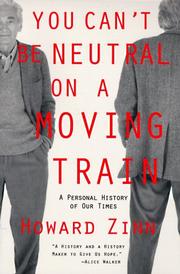
You can't be neutral on a moving train
Howard Zinn · 1994
A politically engaged life told as both personal memoir and popular history, moving from Brooklyn slums and a WWII bombardier's seat to Spelman College and the civil rights and antiwar frontlines.

Black like me
John Howard Griffin · 1960
A diary-form firsthand account that reads with plain, urgent immediacy as its narrator experiences segregation from the inside — candid, unsettling, and morally galvanizing rather than plot-driven.

Coming of Age in Mississippi
Anne Moody · 1968
A candid, ground-level account of growing up Black and poor in the Jim Crow South, moving from childhood sensory detail to the fire of civil-rights activism.

Klan-Destine Relationships
Daryl Davis · 1997
A Black musician's first-person account of sitting down with Klansmen to ask why they hate him — harrowing, earnest, and quietly hopeful about the possibility of changed minds.

The end of white world supremacy
Malcolm X · 1971
A close nonfiction relative — matched on how it reads, with steady pacing.
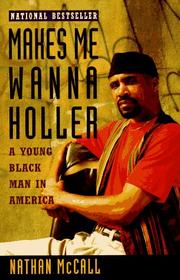
Makes Me Wanna Holler
Nathan McCall · 1994
Another road into racism and social justice, taken at steady pacing.
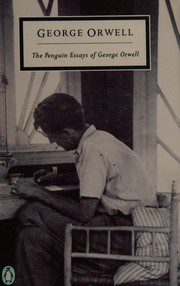
The Penguin Essays of George Orwell
George Orwell · 1984
A collection of Orwell's essays that crystallizes his signature fusion of plain-spoken clarity and moral urgency, applying his clinical intellect to deconstruct language, power, and society with persistent relevance.

Stokely speaks
Kwame Ture · 1971
A first-person, essay-driven account of a political consciousness forming in real time — urgent, argumentative, and demanding engagement with racism, liberalism, and solidarity across movements.
About Where do we go from here — what the genome says
Is Where do we go from here a complete story or a cliffhanger?
It's a complete, standalone-satisfying story.
Who is Where do we go from here for?
readers wanting King's direct, reasoned case for economic justice beyond the 'I Have a Dream' speech
Find your next read by its genome
Tell Novelome one book you love — get recommendations tuned to your taste, including the ones other sites never surface.
Start free →More readalikes: Books like 10 Minutes 38 Seconds in This Strange World · Books like 100 great businesses and the minds behind them · Books like 1776 · Books like 20th Century Ghosts · Books like ゼルダの伝説 トワイライトプリンセス 4 · Books like 50 great short stories · Books like A Beautifully Foolish Endeavor · Books like A Brief History of Seven Killings