Books like The Mind's Eye
The Mind's Eye by Oliver Sacks reads as empathetic, curious. These 12 books share its genome — matched by how they actually read, not just their shelf label.
What The Mind's Eye is like to read
Reads like sitting with a warm, erudite physician-storyteller as he weaves patient case histories and his own failing eyesight into meditations on perception and memory — gentle, curious, never clinical. Best for: readers who loved Sacks's other case-history collections and want empathetic, essayistic neuroscience.

The Man Who Mistook His Wife for a Hat
Oliver Sacks · 1985
A humane, curious neurologist walks you case by case through the strangeness of the brain, treating each patient as a full person rather than a specimen.
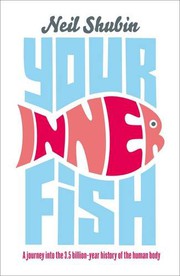
Your inner fish
Neil Shubin · 2008
An accessible tour through evolutionary anatomy told with a working paleontologist's contagious enthusiasm — each chapter tracing a body part back to its deep-time origin.

Otherlands
Thomas Halliday · 2022
A close nonfiction relative — matched on how it reads, with steady pacing.

Timefulness
Marcia Bjornerud · 2018
A close nonfiction relative — matched on how it reads, with steady pacing.
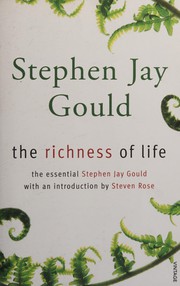
The richness of life
Stephen Jay Gould · 2006
A scholarly essay collection that weaves natural history and evolutionary science into a humanistic meditation on life's intricacy and our evolving understanding of it.

The ends of the world
Peter Brannen · 2017
A close nonfiction relative — matched on how it reads, with steady pacing.
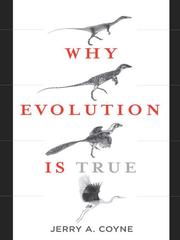
Why evolution is true
Jerry A. Coyne · 2009
An accessible, evidence-marshaling tour through genetics, paleontology, and anatomy that builds a cumulative case for evolution in lucid, non-technical prose.

In Search of Memory
Eric R. Kandel · 2005
Reads informative in the same way — and goes just as deep on memory.
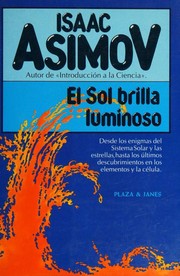
The sun shines bright
Isaac Asimov · 1981
A nonfiction collection that channels Asimov's signature clarity and cosmic perspective into accessible essays on science and the future, emphasizing wonder and explanation over narrative drama.

Gardner's whys & wherefores
Martin Gardner · 1989
A close nonfiction relative — matched on how it reads, with steady pacing.
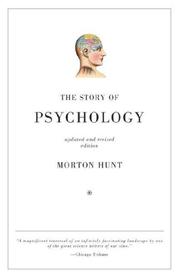
The story of psychology
Hunt, Morton M. · 1993
Matches the informative mood, carried on steady pacing.

The Case for God
Karen Armstrong · 2009
A sweeping intellectual history of the idea of God that builds a case for reclaiming faith as lived, apophatic practice rather than dogmatic belief.
About The Mind's Eye — what the genome says
Is The Mind's Eye a complete story or a cliffhanger?
It's a complete, standalone-satisfying story.
Who is The Mind's Eye for?
readers who loved Sacks's other case-history collections and want empathetic, essayistic neuroscience
Find your next read by its genome
Tell Novelome one book you love — get recommendations tuned to your taste, including the ones other sites never surface.
Start free →More readalikes: Books like 10 Minutes 38 Seconds in This Strange World · Books like 100 great businesses and the minds behind them · Books like 1776 · Books like 20th Century Ghosts · Books like ゼルダの伝説 トワイライトプリンセス 4 · Books like 50 great short stories · Books like A Beautifully Foolish Endeavor · Books like A Brief History of Seven Killings