Books like Freedom to learn
Freedom to learn by Rogers, Carl R. reads as insightful, optimistic. These 12 books share its genome — matched by how they actually read, not just their shelf label.
What Freedom to learn is like to read
A reflective, humanistic argument for student-centered education, weaving Rogers's therapeutic philosophy into concrete classroom and administrative practice. Reads as earnest advocacy rather than dry pedagogy. Best for: educators and readers drawn to humanistic psychology and person-centered teaching philosophy.
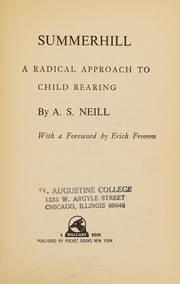
Summerhill
A. S. Neill · 1926
Reads like a passionate, personal manifesto from a headmaster explaining his radical philosophy through anecdote and argument rather than dry theory — earnest, persuasive, and idealistic.
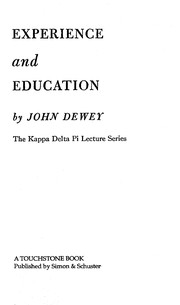
Experience and education
John Dewey · 1938
A concise, argument-driven reformulation of progressive-education theory — analytical and measured rather than polemical, rewarding readers willing to sit with philosophical distinctions.

Deschooling Society
Ivan Illich · 1970
A close nonfiction relative — matched on how it reads, with steady pacing.

How children learn
John Caldwell Holt · 1967
Reads like an attentive teacher's field notes: warm, observational anecdotes of real children building a critique of how schools stifle innate curiosity.
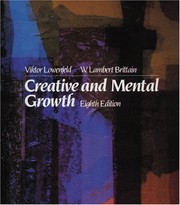
Creative and mental growth
Viktor Lowenfeld · 1947
A foundational treatise linking stages of child development to artistic expression, written as an authoritative educational text.

Teaching critical thinking
bell hooks · 2009
A rigorous yet intimate manifesto on teaching as an act of freedom, blending theoretical rigor with urgent moral conviction to challenge readers toward transformative pedagogical practice.
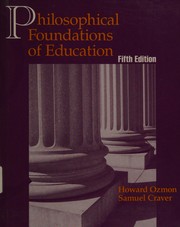
Philosophical foundations of education
Howard Ozmon · 1976
A close nonfiction relative — matched on how it reads, with steady pacing.
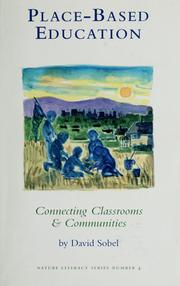
Place-based education
David Sobel · 2004
A close nonfiction relative — matched on how it reads, with steady pacing.
School education
Charlotte M. Mason · 1907
A close nonfiction relative — matched on how it reads, with steady pacing.
Beneath the mask
Christopher F. Monte · 1977
A close nonfiction relative — matched on how it reads, with steady pacing.
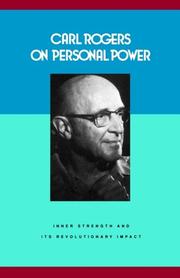
Carl Rogers on Personal Power
Rogers, Carl R. · 1977
Another road into personal growth and self actualization, taken at steady pacing.
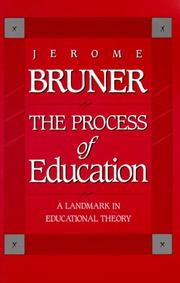
The process of education
Jerome S. Bruner · 1960
Matches the optimistic mood, carried on unhurried, immersive pacing.
About Freedom to learn — what the genome says
Is Freedom to learn a complete story or a cliffhanger?
It's a complete, standalone-satisfying story.
Who is Freedom to learn for?
educators and readers drawn to humanistic psychology and person-centered teaching philosophy
Find your next read by its genome
Tell Novelome one book you love — get recommendations tuned to your taste, including the ones other sites never surface.
Start free →More readalikes: Books like THE BOY, THE MOLE, THE FOX AND THE HORSE · Books like THE LET THEM THEORY · Books like EXTREME OWNERSHIP · Books like WINGS OF STARLIGHT · Books like DON'T BELIEVE EVERYTHING YOU THINK, EXPANDED EDITION · Books like I WILL TEACH YOU TO BE RICH, SECOND EDITION · Books like FAKE SKATING · Books like THE CREATIVE ACT